我們的服務
寵物護理服務
獸醫服務
其他
Length range : 61-74 cm
Height range : 43-51cm
Weight range : 16-23kg
Coat : short|double coat|rugged|weather-resistant|red or blue speckled or mottled
Life expectancy years : 12-13
Colors: red speckled|blue speckled|red mottled|blue mottled.
Activitity Level : high
Origin: Australia
Similar Breeds : Australian Cattle Dog|Australian Kelpie|Texas Heeler|Australian Shepherd
The breed was developed in Australia in the 1840s for cattle work and is considered one of Australia’s earliest working breeds. Sources describe ancestry involving the Australian Dingo and European herding dogs and note that the breed was long known as the Stumpy Tail before being renamed the Australian Stumpy Tail Cattle Dog in 2001.
loyal|courageous|watchful|obedient|somewhat suspicious of strangers|fearless|determined
alert|intelligent|loyal|obedient|independent|lively|devoted|high-energy
daily physical exercise|mental stimulation|a job to do|secure fencing or leash use|early socialization|consistent positive training
velcro with their people|may prefer close companionship|best with older children|can be wary of strangers and other dogs|may do best as the only dog
minimal grooming|regular brushing helps manage shedding|increase brushing during seasonal undercoat shed|bathe as needed|check skin for burrs and debris|routine nail care
feed a nutritionally complete diet appropriate for life stage|active dogs may need a performance or sport diet|adult dogs often eat twice daily|puppies may need three or four meals daily|treat intake should stay controlled
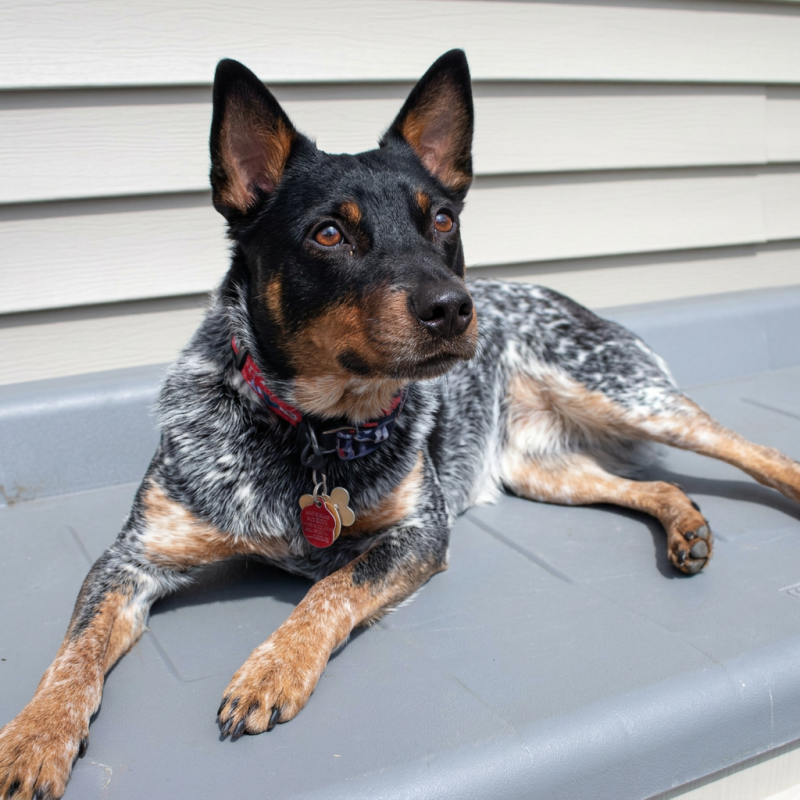
naturally bob-tailed breed|square and well-proportioned|plenty of leg length|pricked ears|rugged short double coat|red or blue speckled or mottled colouring
The breed is not an Australian Cattle Dog with a docked tail and was renamed Australian Stumpy Tail Cattle Dog in 2001. It is often described as one of Australia’s earliest native working breeds and was nearly extinct before revival efforts restored it.
Progressive Retinal Atrophy, Congenital Sensorineural Deafness, Hip Dysplasia, Elbow Dysplasia, Cataracts
1. reluctance to enter dark spaces may appear
2. clumsiness and bumping into things may occur
3. dilated pupils may constrict slowly
4. eyes may look more reflective in the dark
5. anxiety in dim light may occur
1. puppies may fail to startle at loud sounds
2. they may not respond unless they see the handler
3. unilateral deafness may be hard to detect
4. apparent training difficulty may occur
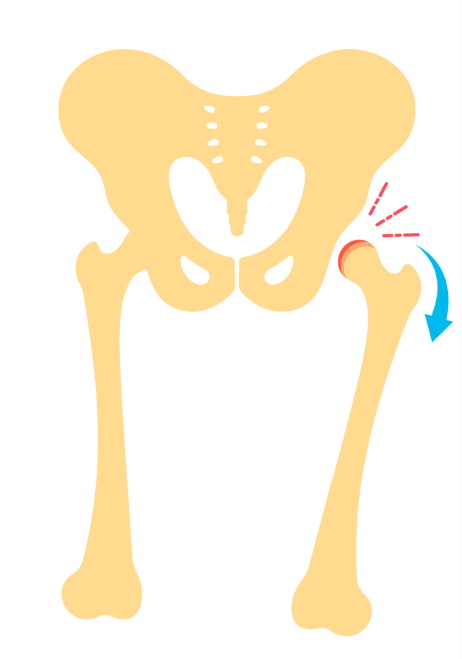
1. limping or lameness may occur
2. reluctance to rise or jump may develop
3. shifting weight to the forelimbs may occur
4. loss of rear muscle mass may appear
5. hip pain may occur
1. limping especially after exercise may occur
2. stiffness in the elbow joint may develop
3. reluctance to walk or exercise may appear
4. grating or crackling may be heard
1. cloudy lens or cloudy pupil appearance may occur
2. vision loss may develop
3. advanced cases may progress to blindness
1. late-onset signs may become apparent around 3 to 6 years
2. broader PRA sources indicate adult onset may occur around 3 to 9 years and blindness may progress within 1 to 2 years of signs
1. the matched health text indicates this may be a major and well-documented inherited concern in the breed
1. present from birth
2. often diagnosed around 5 to 8 weeks with BAER testing
1. about 17.8 percent
2. penetrance was estimated at 0.72
3. the condition may be significant in the breed
1. signs may appear from 5 to 12 months in some dogs
2. or may not become obvious until middle age or later with arthritis
1. risk may be moderate
2. breed pages indicate predisposition and screening is advised
1. signs may appear during growth or later as osteoarthritis develops
1. risk may be moderate because breed pages list predisposition
1. may occur at different ages depending on cause and progression
1. risk may occur as a secondary consequence of PRA or as an eye opacity problem needing differentiation from other lens changes
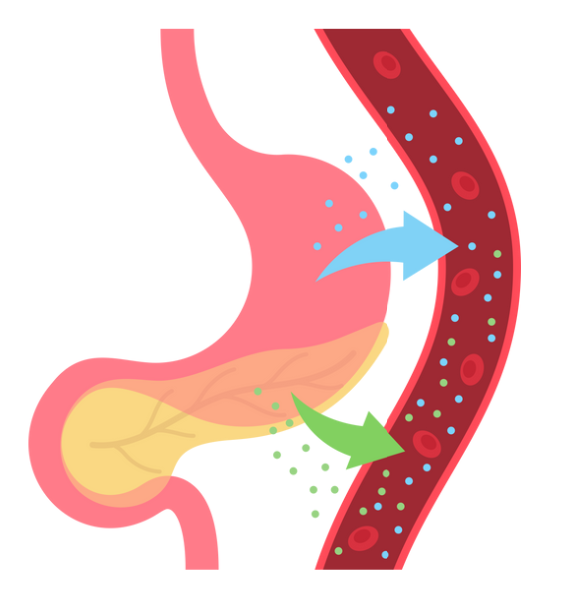
1. the text indicates no daily chemical lack because this is a genetic retinal disorder

1. the text indicates no simple chemical lack because this is primarily genetic and conformational
2. natural joint-support compounds may not keep pace with damage

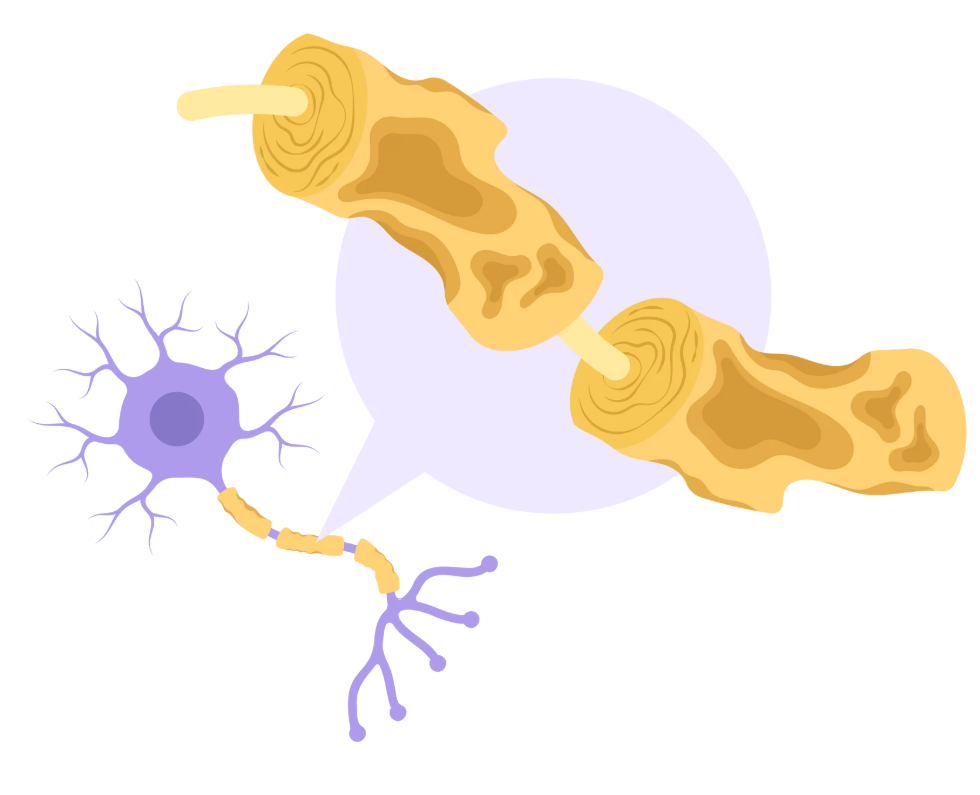
1. the content suggests melanocyte absence in parts of the inner ear may underlie disease
2. this is not a nutritional deficiency
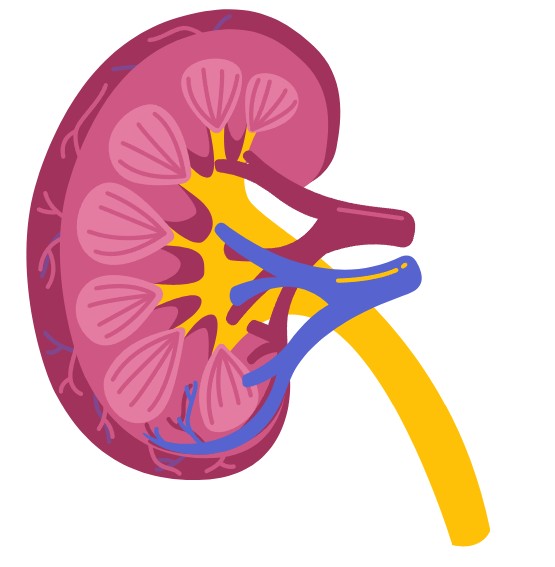
1. no specific chemical lack is identified in the provided text

+852 6358 3131
香港中環德輔道中84-86號章記大廈9樓01室
週一到週日,早上10點到下午9點
 +852 9160 8619
 +852 9160 8619