我們的服務
寵物護理服務
獸醫服務
其他
Length range : 71-91 cm
Height range : 46-58cm
Weight range : 16-32kg
Coat : double coat|medium-length|water-resistant|lush texture|straight to wavy|plush fur
Life expectancy years : 12-14
Colors: black|blue merle|red|red merle|white|tan|gray|multi-colored.
Activitity Level : high
Origin: United States of America
Similar Breeds : Border Collie|English Shepherd|Australian Cattle Dog|Miniature American Shepherd|Belgian Shepherd Dog
Australian Shepherds most likely originated in the United States , especially California around the Gold Rush era , though their lineage traces to European herding dogs associated with Basque shepherds and Australia. The breed was refined in America and recognized by AKC in 1993.
even-keeled|smart|loyal|friendly with family|can be reserved with strangers|protective alert barker|high-drive and eager to work
highly intelligent|energetic|loyal|trainable|active|work-oriented|versatile|affectionate with family
daily exercise|mental stimulation|job to do|early socialization|secure fencing|active owner|ongoing training
very sociable with family|can be good with children , cats and other dogs when socialized|prefers company|may become a shadow dog|can develop separation anxiety if overly attached
brush weekly|brush more often during shedding|bathe when needed|check and clean ears routinely|trim nails regularly|daily tooth brushing is ideal
high-quality balanced diet|adjust calories to activity and age|working or highly active dogs may need performance diets|fresh water always available|meal feeding preferred|puppies often eat 3 to 4 meals daily before transitioning to 2 meals
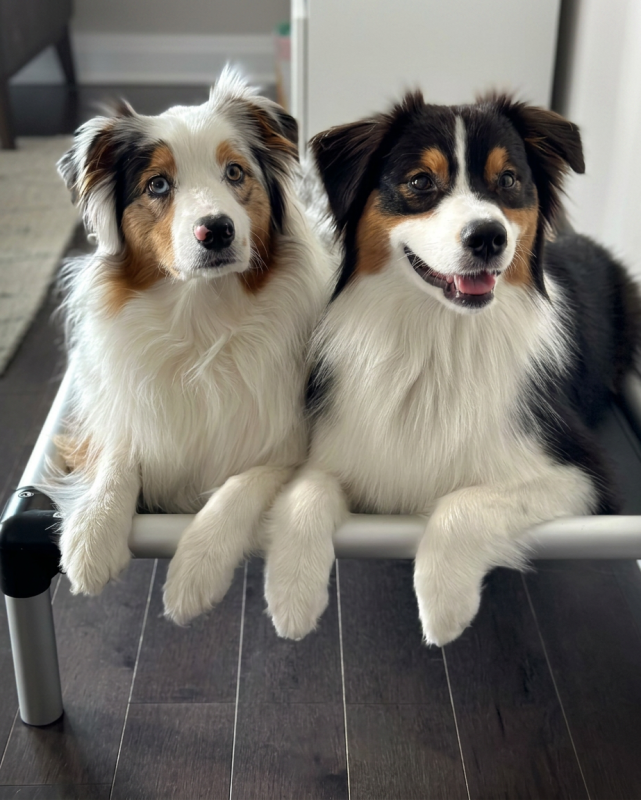
lean , tough , medium-sized herding dog|strong muscular body|athletic and agile movement|triangular ears|lively eyes|medium-length water-resistant double coat|balanced ranch dog outline
Despite the name the breed is closely tied to California ranching and cowboy culture and became especially popular through rodeo , horse shows , Western culture and canine sports.
Hereditary Eye Diseases, Hip Dysplasia, Elbow Dysplasia, Epilepsy, MDR1 Drug Sensitivity
1. night blindness may appear
2. bumping into things may occur
3. cloudy pupil or cataract may develop
4. dilated pupils may be seen
5. sudden or progressive blindness may occur
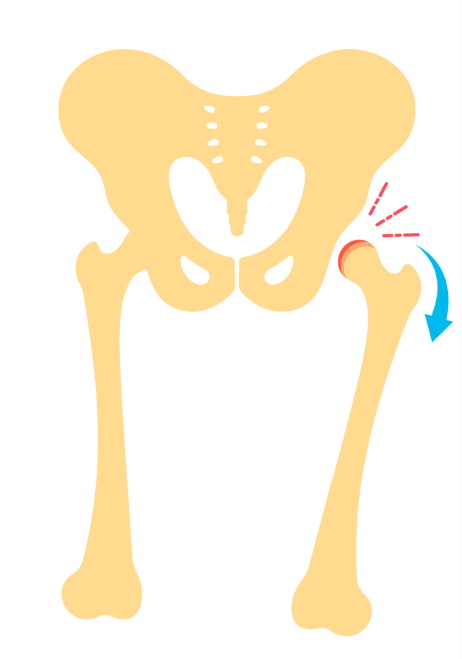
1. stiffness may appear
2. lameness or limping may occur
3. bunny hopping gait may occur
4. reluctance to rise or jump may develop
5. hip pain and rear muscle loss may occur
1. forelimb lameness may appear
2. pain with movement may occur
3. reduced mobility may develop
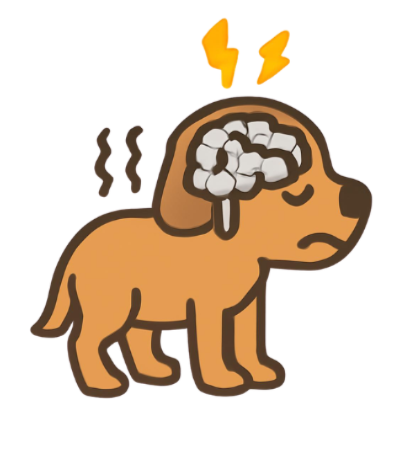
1. recurrent seizures may occur
2. stiffness and paddling may appear during generalized seizures
3. drooling may occur
4. post-seizure confusion may develop
5. temporary blindness or pacing may occur
1. tremors may occur after trigger drugs
2. ataxia or stumbling may occur
3. disorientation may develop
4. seizures may occur
5. coma or respiratory collapse may occur in severe cases
1. CEA is present at birth and may be diagnosed at 5 to 8 weeks or after 6 weeks
2. hereditary cataracts may occur around 1 to 5 years
3. PRA may appear in adulthood around 3 to 9 years and some texts note juvenile or early onset in first months
1. risk may be high because eye disorders are repeatedly cited as common breed concerns
2. PRA , CEA , cataracts are specifically noted across sources
1. signs may occur in rapidly growing dogs
2. may also become apparent later with arthritis in more mature dogs
1. risk may be Moderate to high
2. provided breed text indicates around 6 to 7 percent among screened Aussies
1. signs may appear during growth or later with joint degeneration
1. risk may be Moderate
2. provided breed text indicates around 4 to 5 percent among screened Aussies
1. seizures typically begin between 6 months and 5 years
1. risk may be significant because hereditary epilepsy is recognized in the breed
1. mutation is present from birth
2. toxic signs may appear within hours to a day after exposure to trigger drugs
1. risk may be very high in relevance to the breed because many Australian Shepherds may carry at least one copy of the mutation according to the provided breed text
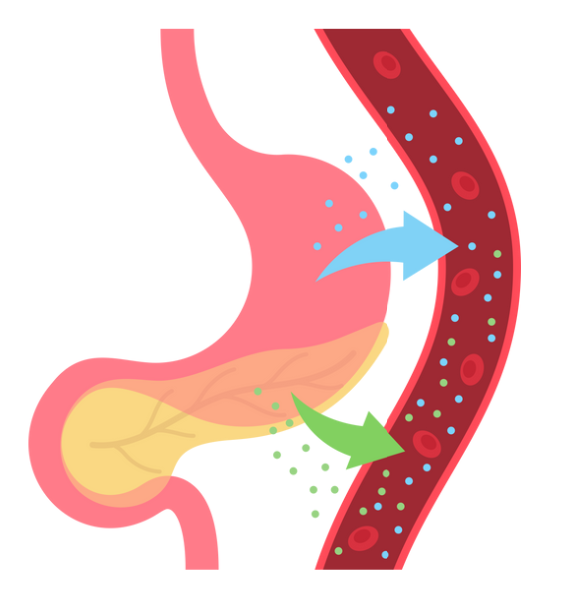
1. no specific chemical lack is identified because these are inherited defects of the eye , lens or retina

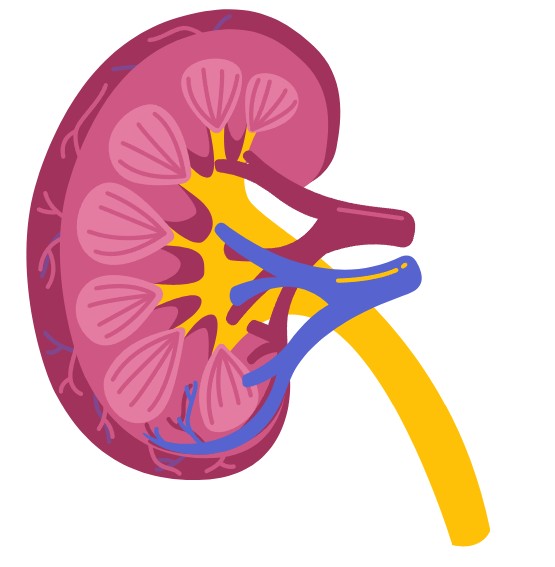
1. no specific chemical lack is identified because this is a developmental joint disorder

1. no specific chemical lack is identified because this is a hereditary and conformational joint disorder
2. natural joint-support compounds may not keep pace with chronic damage
1. the text indicates there may be an imbalance of excitatory and inhibitory neurotransmission rather than a simple deficiency

+852 6358 3131
香港中環德輔道中84-86號章記大廈9樓01室
週一到週日,早上10點到下午9點
 +852 9160 8619
 +852 9160 8619