我們的服務
寵物護理服務
獸醫服務
其他
Length range : 66.0-84.0 cm
Height range : 41.0-51.0cm
Weight range : 14.0-23.0kg
Coat : short double coat|dense weather-resistant coat|soft or dense outer coat|low-maintenance coat
Life expectancy years : 10-14
Colors: black|black and tan|red|red and tan|chocolate|fawn.
Activitity Level : high
Origin: Australia
Similar Breeds : Border Collie|Australian Cattle Dog|German Shepherd|Belgian Malinois|Australian Shepherd
The breed emerged in Australia in the late 19th century to help farmers manage sheep over vast and difficult country. Sources describe British herding dog or collie ancestry with reports that Dingoes may also have contributed. By the 1880s Kelpies were winning sheepdog trials and the breed developed along working and show lines.
extremely intelligent , alert and eager|loyal and devoted to family|independent but responsive|reserved or cautious with strangers|needs purpose and guidance
intelligent|alert|active|loyal|eager|independent thinker|highly trainable|work-driven
daily vigorous exercise|mental stimulation|job or purpose|space to run|structured routine|secure fencing|early socialization
bonds closely with family|velcro-like with owners|may be reserved with strangers|can suit active families|does not like being left out or left alone too long
weekly brushing|more brushing during shedding seasons|bath every 6 to 8 weeks or when dirty|check and clean ears weekly|trim nails every 4 to 6 weeks|brush teeth once or twice weekly or more
high-quality diet matched to age and activity|protein-rich food with healthy fats|portion control to prevent obesity|puppies often need 3 to 4 meals daily|adults often do well on 2 meals daily|fresh water always available
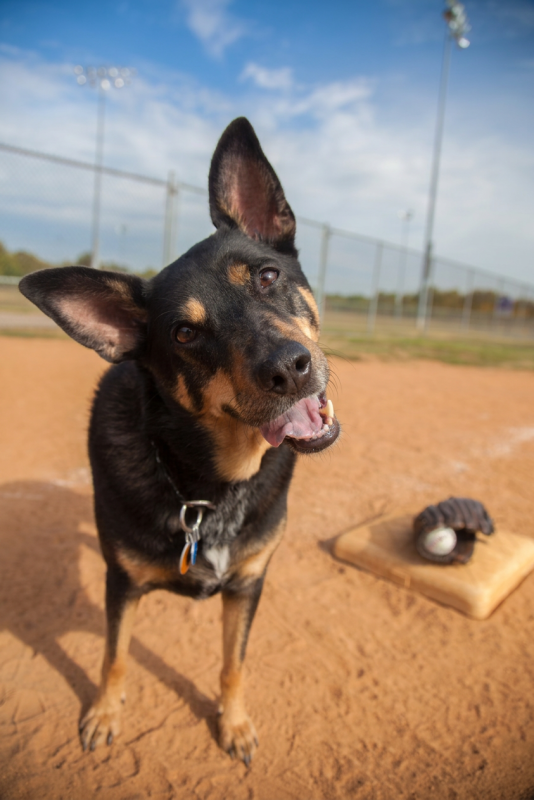
medium-sized , athletic , muscular herding dog|slightly longer than tall|prick triangular ears|keen expression|short weather-resistant coat in multiple accepted colors|built for stamina , agility and responsive work
The breed name Kelpie is linked to a Gaelic water spirit and the breed became famous in Australian sheepdog trials while remaining valued in both working and show lines.
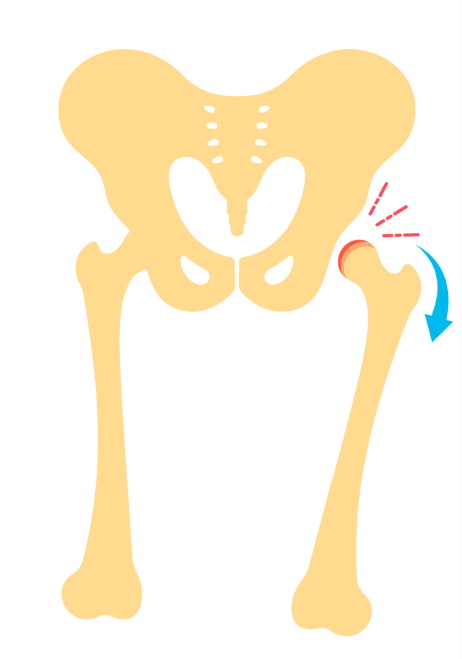
Hip Dysplasia, Progressive Retinal Atrophy, Cerebellar Abiotrophy, Collie Eye Anomaly, Periodontal Disease
1. lameness or stiffness may appear
2. bunny hopping gait may occur
3. reluctance to jump or climb may occur
4. pain may appear with joint movement
5. muscle atrophy may develop
1. night blindness may appear first
2. reluctance to go out at night may occur
3. bumping into things in dim light may occur
4. dilated pupils may be seen
5. cataracts may develop later
1. wobbling or drunken gait may occur
2. head tremors may appear
3. exaggerated stepping may occur
4. poor balance may appear
5. distance misjudgment may occur
1. mild cases may show no outward signs
2. vision loss may occur if retinal detachment develops
3. structural eye defects may be found on specialist exam
1. bad breath may occur
2. excessive salivation may occur
3. bleeding gums may appear
4. pain on chewing may occur
5. loose teeth may develop
1. signs may appear in growing dogs around 5 to 12 months
2. or later in middle to senior age as arthritis progresses
1. risk may be Moderate to high
2. provided breed health text indicates around 15 percent hip dysplasia and around 6 percent elbow dysplasia in evaluated Kelpies
3. another provided Kelpie source cites about 8.5 percent hip dysplasia in screened dogs
1. signs may begin in adulthood
2. often around 3 to 6 years
3. late-onset forms may show night blindness around 5 years
1. risk may be Moderate because it is a recognized inherited disorder in the breed
1. signs usually begin in puppies
2. often between 6 weeks and 6 months
3. some sources note 6 to 16 weeks
1. risk may be low but significant because it is a serious inherited disease in Kelpies , especially working lines
1. present at birth
2. may be diagnosed at about 5 to 8 weeks or 6 to 8 weeks by ophthalmic exam
1. risk may be Moderate because the condition is documented in the breed
1. signs may emerge gradually over time
2. disease commonly warrants intervention in many dogs over 3 years
1. risk may increase with age and inadequate oral hygiene
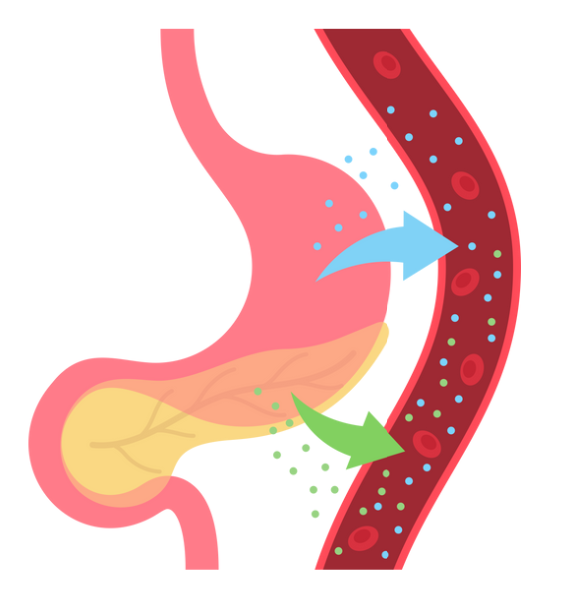
1. no specific chemical lack is identified because this is a hereditary and conformational joint disorder
2. natural joint-support compounds may not keep pace with chronic cartilage damage

1. no specific chemical lack is identified because this is a genetic neurologic degeneration

1. no specific chemical lack is identified because this is a genetic retinal degeneration
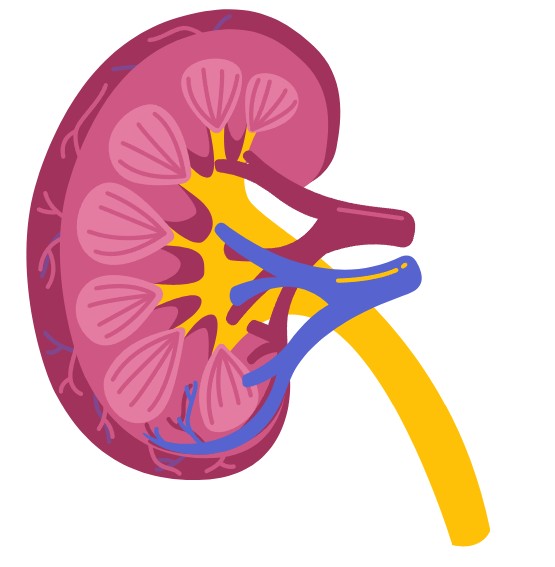
1. no specific chemical lack is identified because this is a developmental eye defect present from birth

+852 6358 3131
香港中環德輔道中84-86號章記大廈9樓01室
週一到週日,早上10點到下午9點
 +852 9160 8619
 +852 9160 8619