我們的服務
寵物護理服務
獸醫服務
其他
Length range : 53.0-66.0 cm
Height range : 38.0-48.0cm
Weight range : 8.0-16.0kg
Coat : medium length|double coat|soft and dense|thick|white or cream
Life expectancy years : 12-14
Colors: white|cream|buff.
Activitity Level : Average to High
Origin: Germany|United States
Similar Breeds : German Spitz|Samoyed|Keeshond|Pomeranian|Japanese Spitz
The breed descends from the German Spitz and originated in Germany before being brought to the United States by German immigrants. It was renamed from American Spitz to American Eskimo Dog during the First World War era and became popular in circuses and entertainment in the late 1800s and early 1900s before becoming a family companion.
Alert , friendly , intelligent , watchful
affectionate|loving|alert|friendly|intelligent|loyal|eager to please|watchful
physical exercise|mental stimulation|companionship|secure confinement|regular brushing|active engagement
early socialization with people and pets|friendly with family|may be wary of strangers|generally tolerant of other dogs and household cats if raised with them
brush at least twice weekly|more frequent brushing during shedding seasons|bathe every few months|clean ears every two weeks or weekly|regular dental care|coat maintenance mostly at home
high-quality age-appropriate diet|AAFCO-compliant food|measured feedings|watch calorie intake due to obesity risk|fresh water available at all times
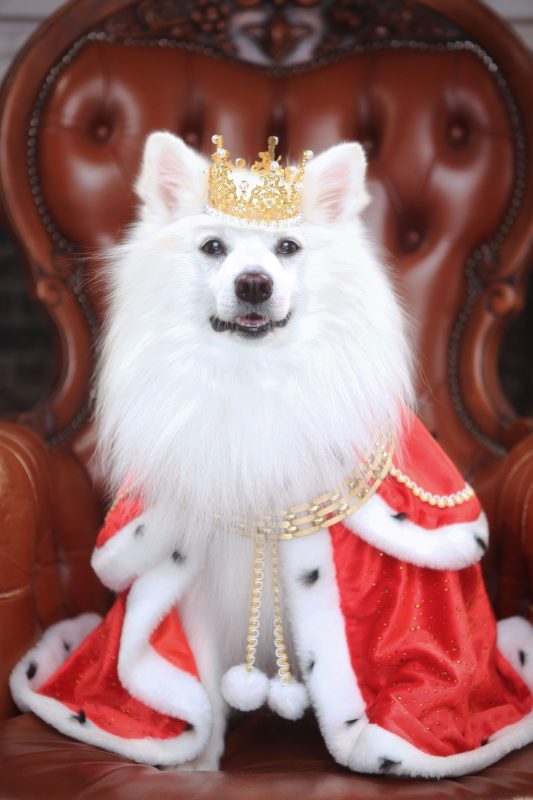
An alert , friendly Spitz with erect ears , wedge-shaped head , curled tail , thick white or cream double coat and a balanced small-to-medium outline. Neither shy nor aggressive , but often conservative with new friends.
The American Eskimo Dog became a circus favorite and was known for learning tricks quickly , which helped boost its popularity as a family companion.
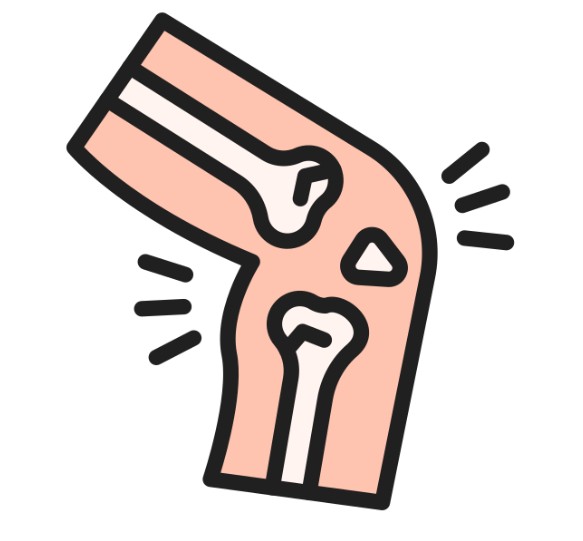
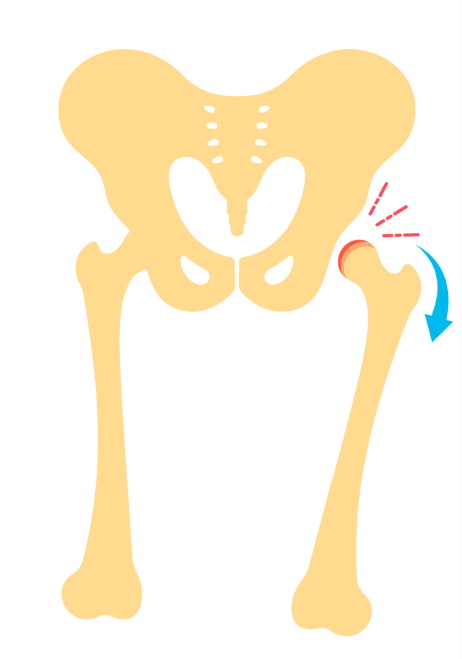
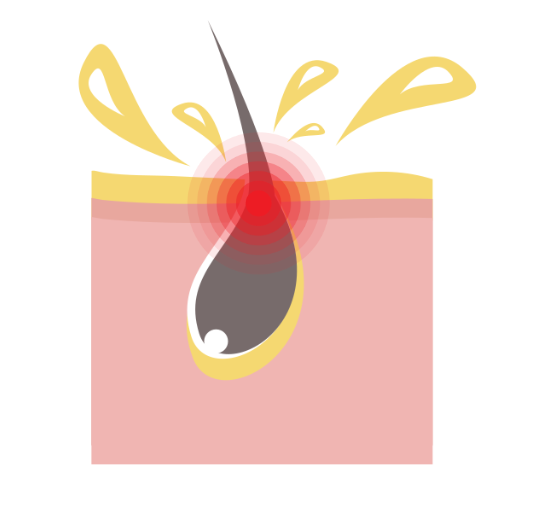
Patellar Luxation, Progressive Retinal Atrophy, Dental Disease, Hip Dysplasia, Atopic Dermatitis
1. skipping or bunny-hopping
2. limping on three legs
3. bowlegged stance
4. carrying a hind leg for a few steps
5. cracking or popping noise when the knee is bent
1. difficulty seeing in the dark
2. night blindness
3. dilated pupils
4. gradual blindness
5. vision changes
1. bad breath
2. red swollen or bleeding gums
3. tartar buildup
4. difficulty chewing or dropping food
5. loose or missing teeth
1. lameness
2. pain
3. limping
4. difficulty standing
5. hind leg stiffness or bunny hopping
1. chronic itching
2. recurrent ear or skin infections
3. red inflamed skin
4. licking or chewing paws
5. hair loss or saliva staining
1. often noticed in young dogs or puppies
2. severe developmental cases may worsen with growth
1. the content suggests this is a common orthopedic problem in small dogs and a notable breed risk
1. signs may begin around 3-5 years of age
2. PetMD notes progressive vision loss over time
1. the content suggests inherited breed risk and available genetic testing
1. active disease may occur by age 2-3 years and commonly affects dogs over age 3
1. the text indicates it is extremely common in dogs and especially relevant in small breeds with crowded teeth
1. it begins as dogs grow
2. signs may appear in younger or mature dogs depending on progression
1. the text indicates it occurs in some smaller dogs including this breed
1. symptoms typically start between 2 and 6 years of age
2. other supplied text suggests signs may first appear from about 6 months to 3 years
1. the text indicates allergic skin disease is common and may affect up to 10%-15% of dogs seen by veterinary dermatologists
1. no specific chemical lack is indicated because this is mainly structural

1. no specific chemical lack is indicated because this is primarily plaque and bacterial disease

1. no specific chemical lack is indicated because this is genetic retinal degeneration
1. no specific chemical lack is indicated because this is primarily developmental and structural

+852 6358 3131
香港中環德輔道中84-86號章記大廈9樓01室
週一到週日,早上10點到下午9點
 +852 9160 8619
 +852 9160 8619