我們的服務
寵物護理服務
獸醫服務
其他
Length range : 61.0-74.0 cm
Height range : 34.0-39.0cm
Weight range : 10.0-15.0kg
Coat : long|silky|double coat|flat or slightly wavy|feathering on ears / chest / tummy / legs
Life expectancy years : 12-15
Colors: black|liver|red|golden|black with tan points|brown with tan points|parti-colour|cream|tan|white combinations.
Activitity Level : Medium
Origin: United States
Similar Breeds : English Cocker Spaniel|English Springer Spaniel|Field Spaniel|Cavalier King Charles Spaniel
The breed descends from cocker-type spaniels brought from England to the United States. American breeders selected for smaller size , more coat and a rounder head until the American Cocker Spaniel became distinct from the English Cocker Spaniel; Purina notes development as a flushing and retrieving gundog and later popularity in show and companion roles.
sweet|easy-going|lively|confident|cheerful|non-aggressive|sensitive
affectionate|gentle|cheerful|merry|friendly|companionable|busy|sensitive
daily or frequent grooming|regular exercise|early socialization|positive training|ear checks and drying|weight control|family companionship
very affectionate with people|generally friendly with other dogs|gets along with other pets with training|does not tolerate long periods alone well|good family dog with supervision around children
daily grooming or every other day grooming|regular trimming and bathing|check ears , eyes , lip folds and feet daily|dry ears after getting wet|brush teeth daily|check nails monthly
quality balanced diet|small-breed appropriate nutrition|two measured meals daily|monitor treats and body weight|fresh water at all times

Lady in Disney’s 1955 animated film Lady and the Tramp was an American Cocker Spaniel and the breed is often described as the smallest gundog or the smallest AKC Sporting breed.
Chronic ear infections, Eye conditions including cataracts, Seborrhea and allergic skin disease, Primary immune-mediated haemolytic anaemia, Patellar luxation
1. head shaking / scratching / pain / redness / bad odor / black or yellow discharge / thickened or narrowed ear canals may occur
1. cloudy / white / blue-gray eye appearance / white spot or streak / icy appearance / blurred vision / clumsiness / night blindness / dilated pupils and progressive blindness may occur
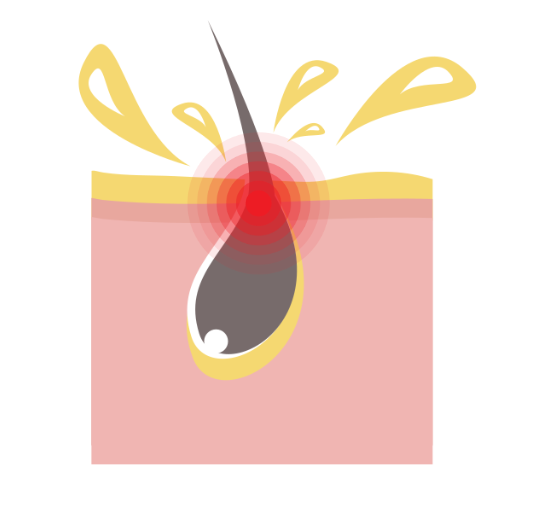
1. itchy skin / greasy or oily coat / dandruff / scaling / crusts / bad odor / red inflamed skin / recurrent ear infections / hair loss and ear debris may occur
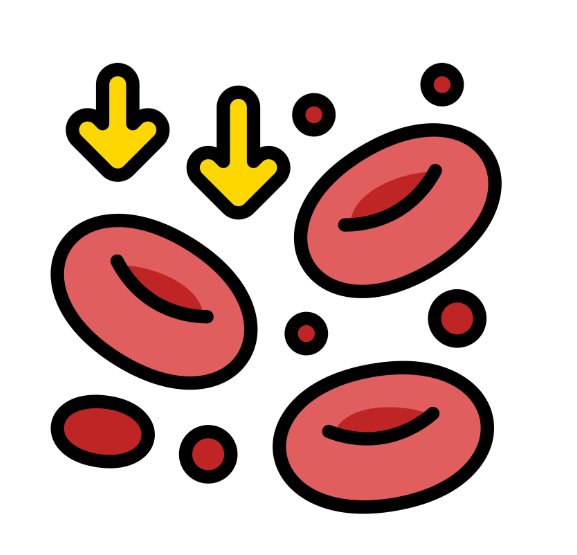
1. lethargy / weakness / pale gums / jaundice / dark urine / rapid breathing / racing heart / fever / appetite loss and collapse may occur
1. sudden hind limb skipping / short-lived limp / yelp / bowlegged stance / hunched lower back / cracking noises and chronic lameness may occur
1. may begin in puppyhood
2. recurring disease often becomes evident in young adulthood around 1 to 3 years
3. chronic inflammation may continue lifelong
1. floppy or hairy-eared dogs are more prone to otitis externa
2. allergies are involved in as many as 43 percent of ear infection cases
3. ear infections occur in 65 to 80 percent of dogs with food allergies
1. cataracts can occur at any age and can be congenital
2. hereditary cataracts may appear in young adults around 2 to 5 years
3. progressive retinal degeneration signs often begin in early to mid-life around 3 to 6 years
1. cocker spaniels are listed among breeds at higher risk of cataracts
2. hereditary cataracts and progressive retinal disease are well-recognized breed concerns
1. primary seborrhea begins at a young age and may worsen over time
2. allergies often first appear between 1 and 3 years
3. secondary seborrhea in younger dogs may be linked to allergy and in older dogs endocrinopathy or neoplasia may become more likely
1. primary seborrhea is common and inherited in cocker spaniels
2. abnormal keratin production may persist for life
3. seborrhea often will not go away on its own and chronic management may be needed
1. it occurs most commonly in middle-aged dogs
2. many cases between 2 and 8 years
3. episodes may last days to weeks during treatment attempts
1. cocker spaniels are predisposed
2. the exact proportion affected is not stated
3. around 40 to 60 percent of dogs may die during the initial disease period
1. the condition is generally hereditary and present early
2. the skipping gait may become noticeable in late puppyhood or young adulthood around 6 months to 2 years
1. about 75 percent of luxating patellas dislocate medially
2. the condition is common and mild cases may be undercounted in external breed-specific discussion
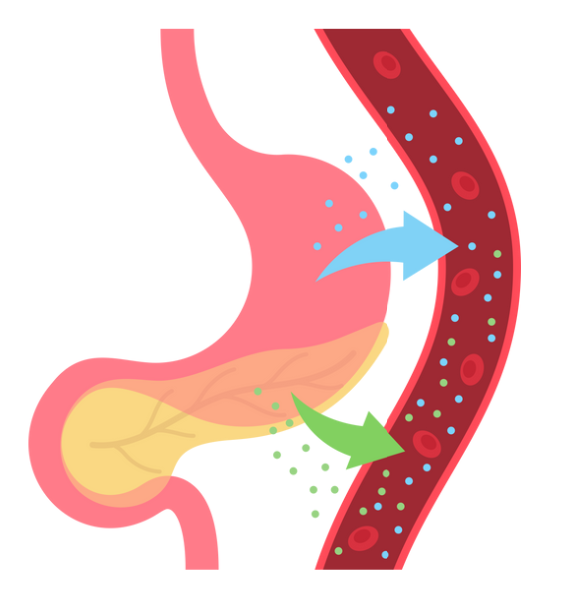
1. No specific lacking chemical is identified in the provided texts. 2. The disease is linked mainly to ear anatomy / moisture trapping / wax accumulation and allergy-associated inflammation. 3. When allergy is involved / barrier dysfunction and inflammatory imbalance may make recurrent infection more likely.

1. Surface lipids can contain increased free fatty acids and cholesterol with decreased diester waxes. 2. This imbalance can disrupt normal barrier quality and may allow bacterial populations to become more pathogenic. 3. Abnormal keratinization also occurs too quickly in primary seborrhea.
4. Vitamin deficiencies can contribute in some secondary cases when explicitly present.

1. No lacking chemical is identified as the cause of hereditary cataracts. 2. Cataracts develop when the lens becomes opaque and lens proteins may clump together in the provided external text. 3. Progressive retinal degeneration is linked to inherited retinal cell loss rather than a stated nutrient deficiency.
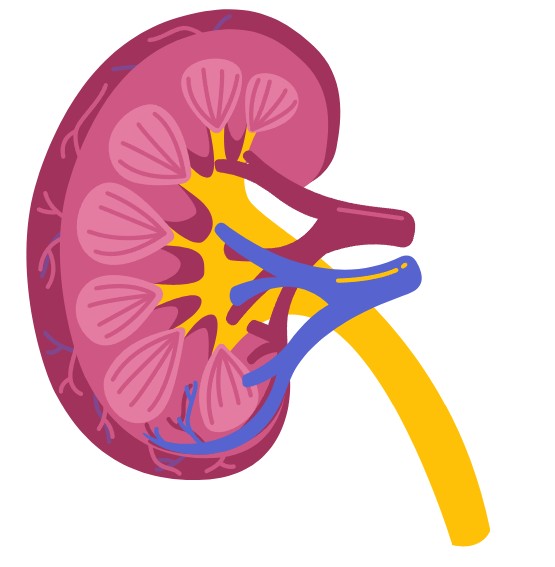
1. No lacking chemical is identified. 2. The disease is driven by antibodies against red blood cell surface proteins rather than a deficiency state. 3. Red cell destruction reduces oxygen carrying capacity and may lead to organ injury and thromboembolic complications.

+852 6358 3131
香港中環德輔道中84-86號章記大廈9樓01室
週一到週日,早上10點到下午9點
 +852 9160 8619
 +852 9160 8619