我們的服務
寵物護理服務
獸醫服務
其他
Length range : 89.0-105.0 cm
Height range : 58.0-64.0cm
Weight range : 34.0-39.0kg
Coat : double coat|thick|weatherproof|well-furred|protective
Life expectancy years : 10-14
Colors: gray and white|sable and white|black and white|seal and white|red and white|solid white.
Activitity Level : Moderate
Origin: United States
Similar Breeds : Siberian Husky|Samoyed
An ancient Arctic breed associated with long-standing sled and hauling work , the Alaskan Malamute is described as one of the oldest Arctic herding breeds. Dimensions content notes ancestry linked to the Thule people of Siberia more than 1 , 000 years ago , while modern kennel-club breed recognition presents it as a powerful established working spitz type.
Affectionate , loyal , playful but dignified
affectionate|loyal|playful|dignified|friendly|sociable|loving|happy|calm in adulthood|independent|intelligent
Requires outdoor space|experienced owner|daily exercise|moderate grooming|weight monitoring|secure fencing
Loving with the whole family|friendly with people|socialization needed with children and other pets
Requires moderate grooming|thick double coat needs routine coat care
High-quality diet appropriate to life stage|watch calorie intake because some dogs may become overweight|fresh clean water should be available at all times
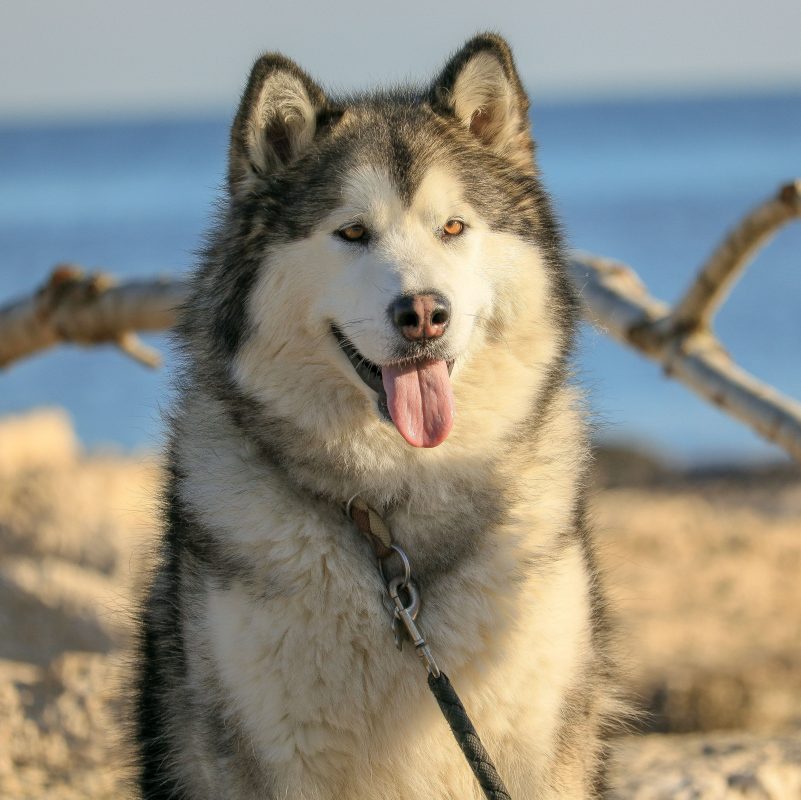
An immensely strong , heavy-duty spitz type with substantial bone , deep chest , erect ears , plumed tail , thick weatherproof coat and a powerful muscular body built for strength and endurance rather than speed.
One of the oldest Arctic working breeds|linked to sledding , hauling and endurance work|friendly enough that it is not especially suited as a guard dog
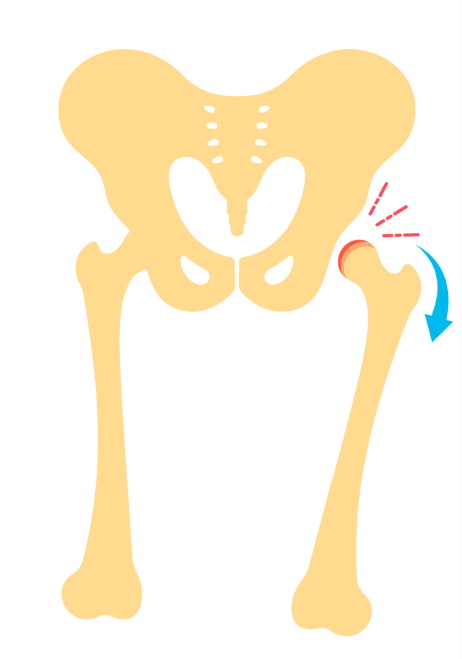
Hip Dysplasia, Zinc-responsive Dermatosis, Alaskan Malamute Polyneuropathy, Cone Degeneration, Hypothyroidism
1. stiffness after rest
2. difficulty rising
3. bunny hopping gait
4. hind limb lameness
5. loss of rear muscle mass
1. crusting and scaling around eyes , mouth , ears
2. alopecia
3. erythema
4. dull coat
5. secondary skin infections may occur
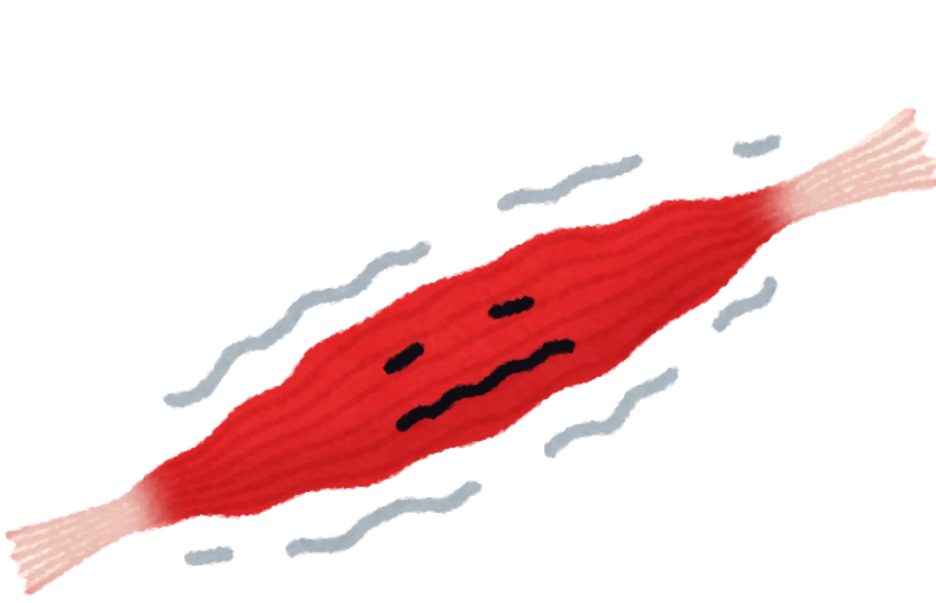
1. hind limb weakness
2. muscle wasting
3. abnormal gait or hunched stance
4. breathing noise or bark change
5. breathing difficulty in severe cases
1. light sensitivity
2. clumsiness in bright light
3. disorientation by day
4. reluctance in bright areas
5. normal night vision
1. weight gain without more appetite
2. lethargy
3. dry dull hair with shedding
4. thin hair coat
5. recurrent skin and ear infections
1. signs may appear at 5-10 months in growing dogs
2. or later from about 3 years onward as arthritis progresses
1. hereditary risk is high in large breeds and the supplied breed notes describe it as high for Alaskan Malamutes
1. age of onset may vary from 2 months to 11 years
2. often noted in young adult dogs and may flare seasonally
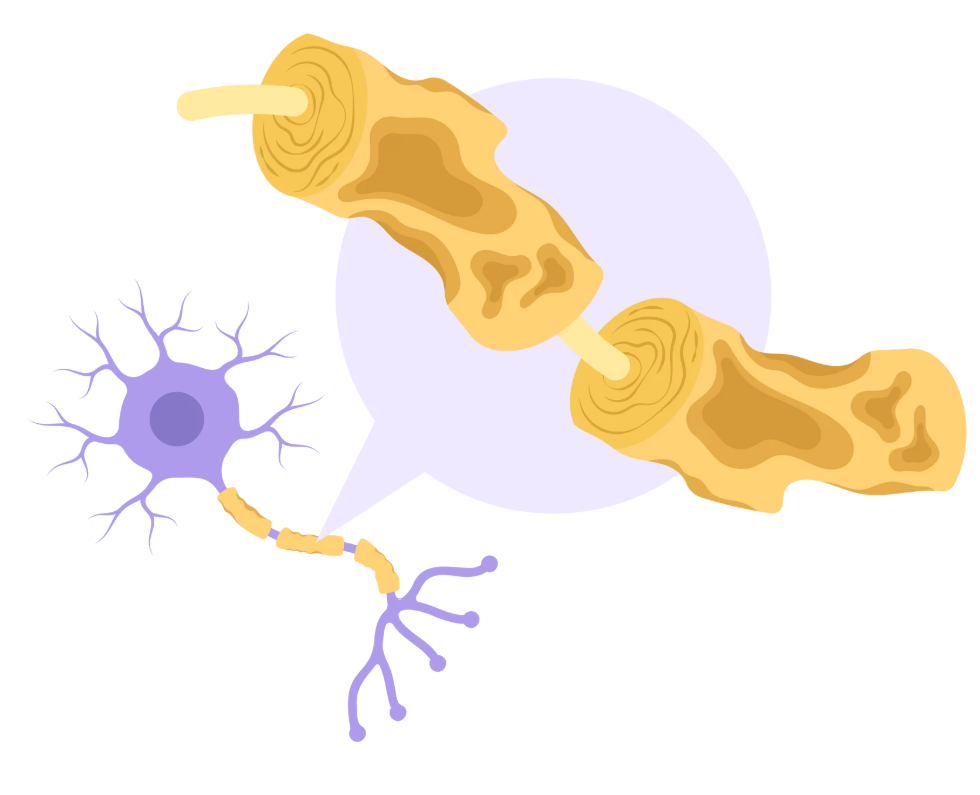
1. syndrome I is well recognised in northern breeds and the supplied breed notes describe it as high
1. signs usually begin between 7 and 18 months
2. some may begin as early as 3 months
1. risk where breeding lines are not screened
2. affected dogs must have two copies of the mutation
1. signs first appear after retinal development around 7 weeks
2. often noticed at 8-12 weeks in bright light
1. risk because the disease is rare but persists in the population
1. generally affects middle-aged dogs
2. average around 6-7 years
1. it is one of the most common endocrine diseases in dogs and the supplied breed notes describe high predisposition
1. no specific daily chemical lack is indicated because this is mainly structural and genetic

1. no specific chemical lack is indicated
2. the content links it to NDRG1 mutation and notes nutritional deficiencies may be differential causes rather than the inherited cause

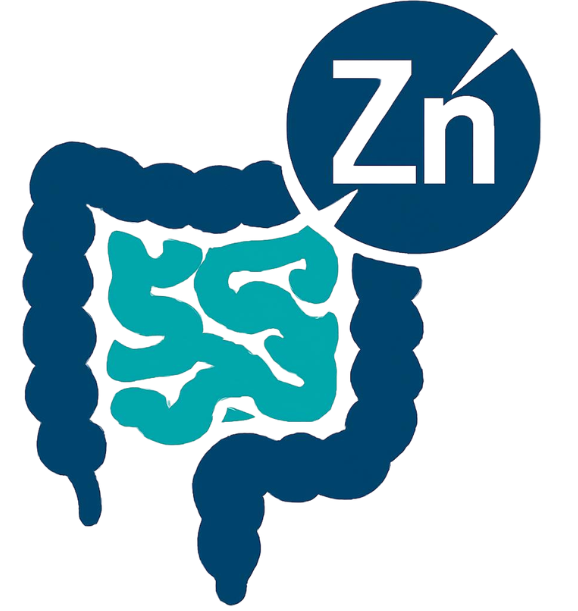
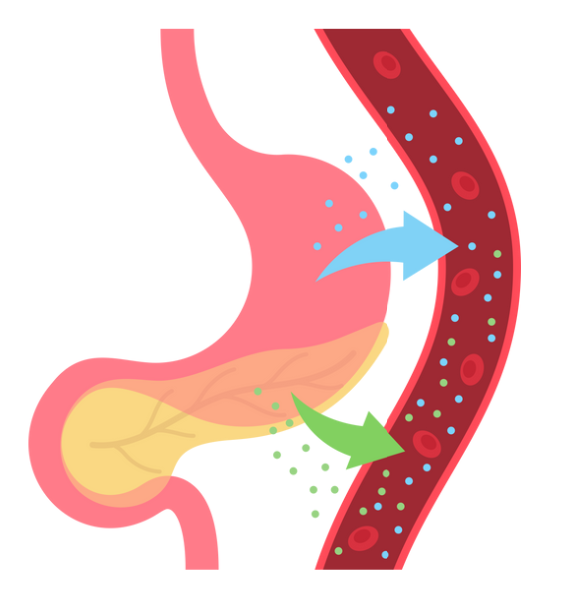
1. zinc may be inadequately absorbed
2. phytates , calcium or iron may interfere with zinc absorption in some diet-related cases
1. no specific chemical lack is indicated
2. the content links it to a CNGB3 mutation

+852 6358 3131
香港中環德輔道中84-86號章記大廈9樓01室
週一到週日,早上10點到下午9點
 +852 9160 8619
 +852 9160 8619