我們的服務
寵物護理服務
獸醫服務
其他
Length range : 53.0-61.0 cm
Height range : 38.0-43.0cm
Weight range : 4.0-10.0kg
Coat : medium|double coat|thick|sheds heavily or blows coat twice a year
Life expectancy years : 12-15
Colors: black and white|gray and white|wolf gray and white|red and white|all white|variety of colors with white.
Activitity Level : Very Energetic
Origin: United States , Alaska
Similar Breeds : Siberian Husky|Alaskan Husky|American Eskimo Dog|Schipperke
A recent breed developed in the early 1970s by Linda Spurlin in Wasilla , Alaska. It began from an undersized Alaskan Husky and was developed using Alaskan Huskies and Siberian Huskies , with possible Schipperke and American Eskimo influence to create a smaller companion. UKC recognized the breed in 1997 and it remains rare.
Alert , energetic , curious , intelligent , friendly , wary of strangers , loyal , sweet , playful , vocal.
alert|energetic|curious|intelligent|playful|friendly|quick|smart|owner-oriented|reserved with unfamiliar people and situations|suspicious of strangers at first|eager to please|vocal
High
High
Minimal brushing and combing once a week , occasional combing , baths only a few times a year or every few months , sheds heavily twice yearly.
Feed a high-quality well-balanced dog food that meets AAFCO guidance. Adults should generally eat two meals daily and puppies three to four meals daily on a consistent schedule. Puzzle toys , snuffle mats or slow feeder bowls may help provide mental stimulation during meals.
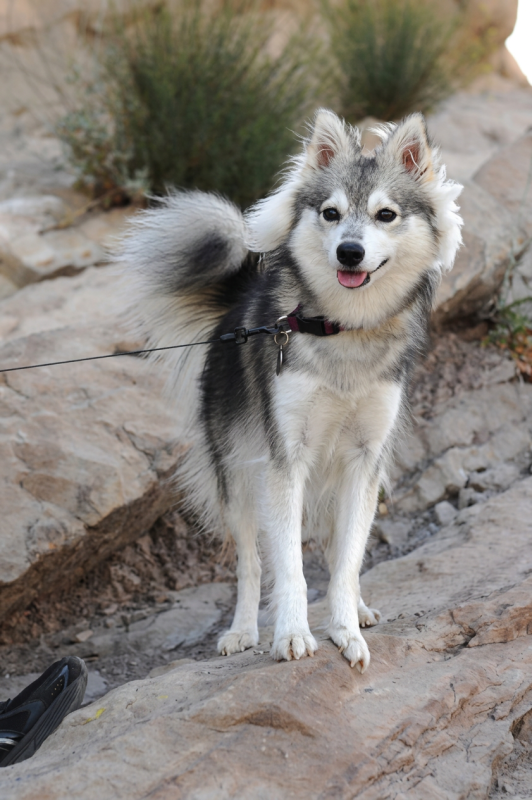
Three sizes: toy , miniature , standard. Withers about 38-43 cm overall with erect ears , symmetrical mask and markings , tail curled over the back , thick double coat. Breed resembles the Alaskan Husky in miniature.
Klee kai means small dog in an Eskimo or Athabaskan language and the breed was created to be a smaller companion-sized Husky.
Patellar luxation, Hypothyroidism, Gastric dilatation-volvulus, Periodontal disease, Factor VII deficiency
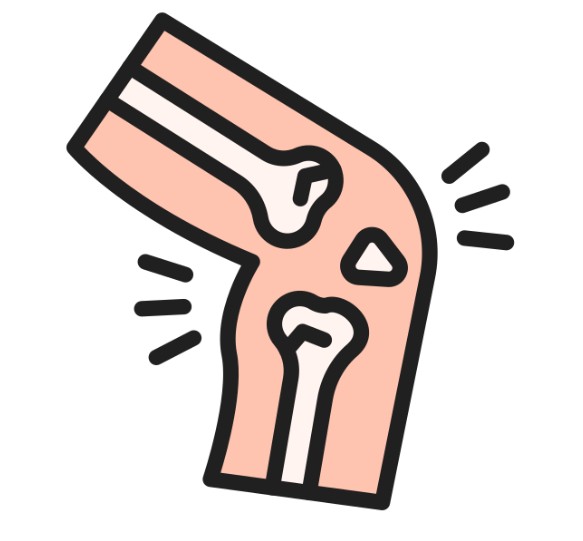
1. The text indicates bunny-hopping or skipping , carrying the affected leg , intermittent lameness , abnormal gait , knock-knee stance , crouching stance , twisted foot , stiffness and pain might occur.
2. Severe cases may lead to arthritis and persistent lameness
1. The text indicates weight gain without increased appetite , lethargy , reduced desire to exercise , cold intolerance , dry dull hair , excessive shedding , thin hair coat , dark skin pigmentation , skin and ear infections , slow heart rate and neurologic abnormalities might occur
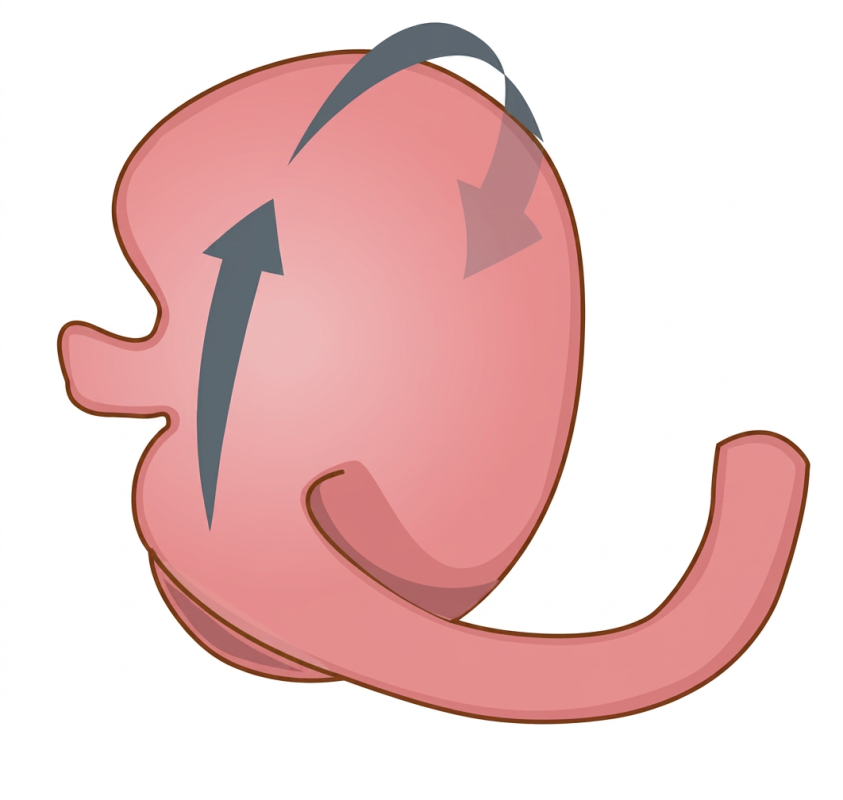
1. The text indicates anxious look , looking at the abdomen , standing and stretching , drooling , distended abdomen , retching without producing anything , panting , weakness , collapse and breathing compromise might occur
1. The text indicates halitosis , excessive salivation , blood in saliva , dysphagia , pain on mastication , difficulty eating , loose teeth , bleeding gingiva , gingival recession and periodontal pockets might occur
1. External-health text indicates prolonged or excessive bleeding after surgery , dental work or injury may occur.
2. More bruising than expected or gum bleeding during teething might occur
1. The source indicates animals can be affected by the time they are 8 weeks of age.
2. Large-breed lateral forms may be noticed by 5 to 6 months.
3. signs often become noticeable from 6 months to 3 years
1. hereditary or strongly suspected heritable forms and small breeds may be predisposed.
2. the issue is common in this breed
1. Generally affects middle-aged dogs with an average of 6-7 years
1. One of the most common endocrine diseases in dogs and moderate breed risk
1. The condition is rapidly progressive and acute.
2. Risk may be associated with older dogs
1. Risk may be increased in deep-chested , older , once-daily fed , large or giant breeds , related dogs and stressed dogs.
2. For this breed the probability from supplied texts is lower than giant breeds but remains included from provided material
1. The great majority of dogs over 3 years of age may have some degree requiring intervention
1. It is probably the most common disease seen in small animal practice and small breed dogs may be more prone to periodontitis
1. The condition is congenital and present from birth.
2. Symptoms may only appear when a bleeding event occurs and may first be noticed during spay or neuter surgery
1. this is a significant inherited issue in the breed with notable prevalence
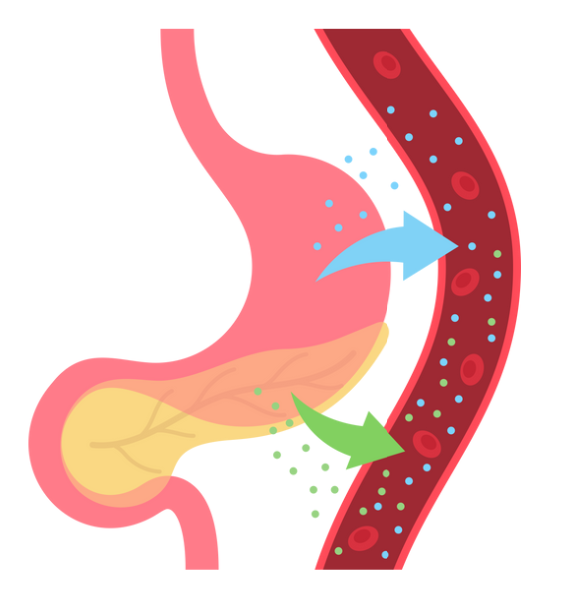
1. This is a structural or anatomical problem rather than a daily chemical deficiency

1. This is not described as a chemical deficiency.
2. It is a mechanical and circulatory emergency

1. The lacking substance may be thyroid hormone , especially thyroxine
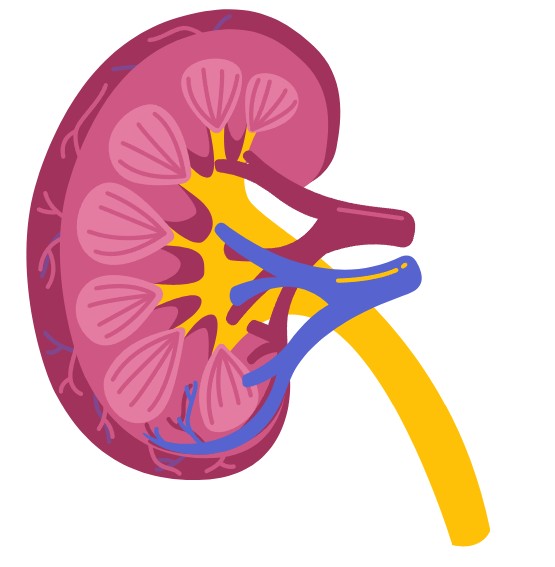
1. No daily chemical deficiency is described.
2. Plaque and oral bacterial biofilm are the primary factors
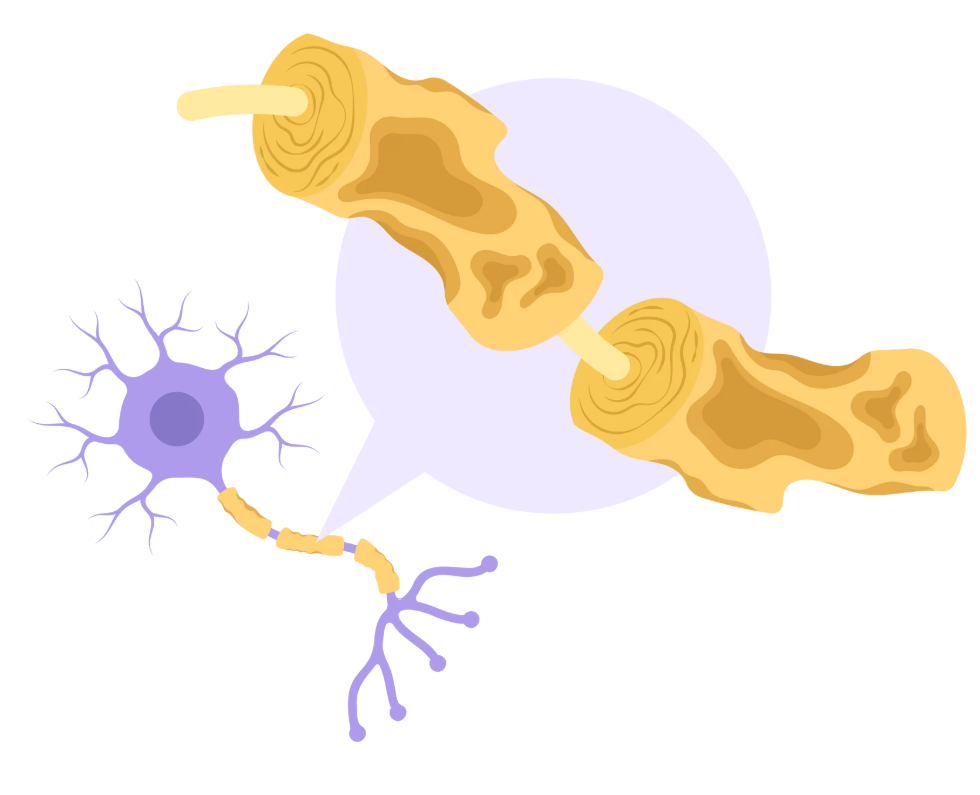

+852 6358 3131
香港中環德輔道中84-86號章記大廈9樓01室
週一到週日,早上10點到下午9點
 +852 9160 8619
 +852 9160 8619